

Compression shorts should fit snugly but not restrict movement. They should feel like a second skin, providing support without discomfort.
Compression shorts are popular among athletes and fitness enthusiasts for their benefits. They enhance blood flow, reduce muscle fatigue, and provide support during intense workouts. The key to their effectiveness lies in the fit. Properly fitting compression shorts aid in performance and recovery.
They should be tight enough to offer support but not so tight that they restrict movement or cause discomfort. Finding the right size is crucial. Measure your waist and hips accurately to ensure a perfect fit. Wearing well-fitting compression shorts can significantly improve your exercise experience and overall comfort.

Introduction To Compression Shorts
Compression shorts are popular among athletes and fitness enthusiasts. They offer support, improve performance, and reduce muscle fatigue. Designed to fit snugly, they provide numerous benefits.
Purpose And Benefits
Compression shorts serve multiple purposes:
- Support muscles during physical activities.
- Reduce muscle vibrations and fatigue.
- Improve blood flow and circulation.
- Enhance performance and recovery.
The benefits include:
| Benefit | Description |
|---|---|
| Improved Circulation | Helps deliver oxygen to muscles. |
| Reduced Muscle Fatigue | Minimizes vibrations and strain. |
| Better Performance | Supports muscles during workouts. |
| Quicker Recovery | Reduces soreness post-exercise. |
Types And Varieties
There are various types of compression shorts:
- Men’s Compression Shorts
- Women’s Compression Shorts
- Unisex Compression Shorts
- Thermal Compression Shorts
Each type offers unique features:
- Men’s and Women’s shorts are tailored for gender-specific needs.
- Unisex options offer a versatile fit for all.
- Thermal shorts provide warmth in colder conditions.
Choosing the right type depends on personal preference and activity. Consider the fabric, fit, and intended use.
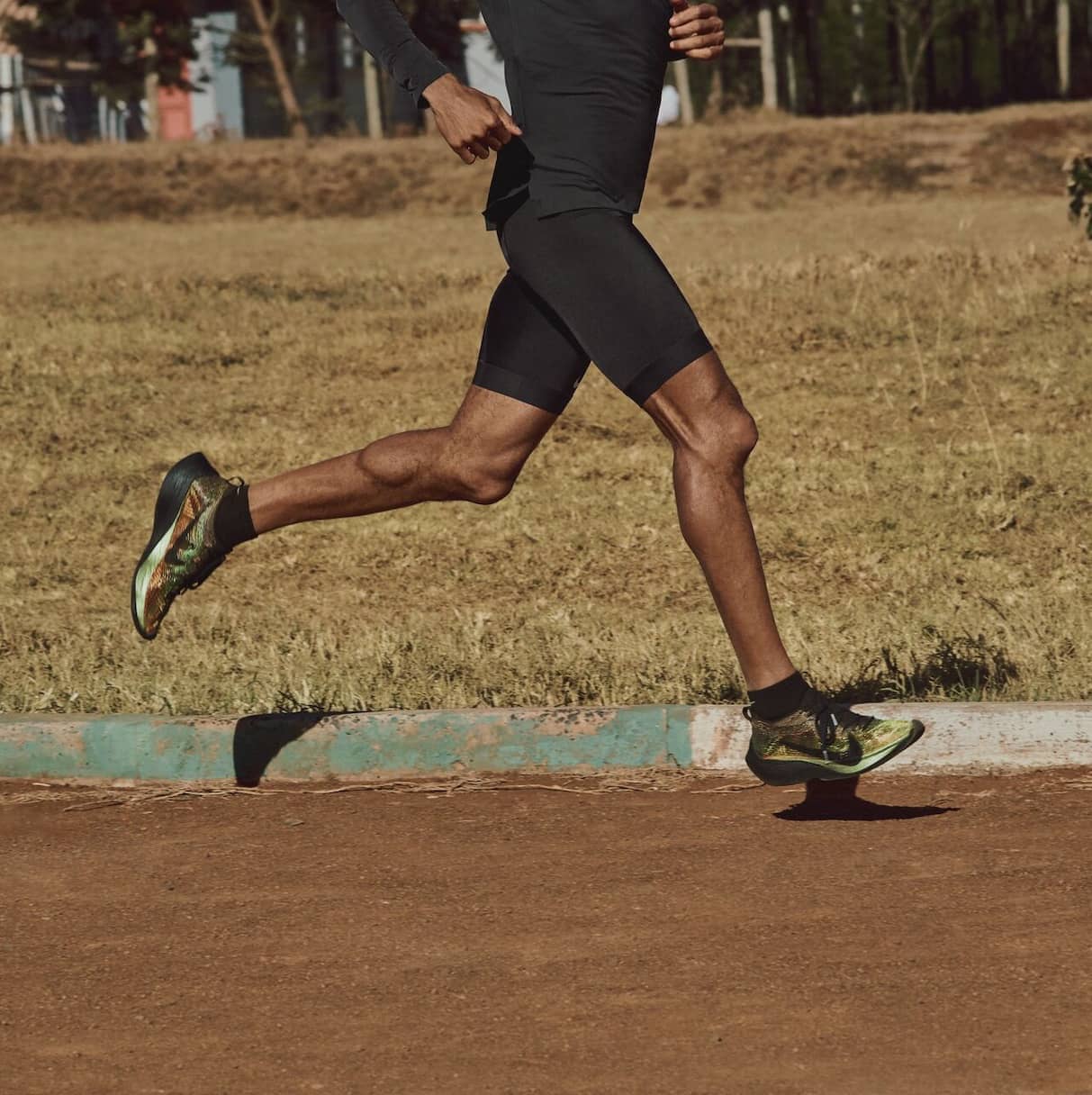
Ideal Fit Characteristics
Understanding the ideal fit characteristics of compression shorts is crucial. These characteristics ensure maximum comfort and functionality. The right fit can enhance your athletic performance and overall comfort.
Comfort Vs. Compression
Compression shorts should balance comfort and compression. They should feel snug but not tight. This balance helps improve blood flow while maintaining comfort.
- They should not pinch or cause discomfort.
- Avoid shorts that restrict movement.
- Look for a snug fit that still allows you to move freely.
Breathability And Flexibility
Breathability is essential for keeping cool during workouts. Choose materials that wick away sweat and allow air circulation. Flexibility is equally important. The shorts should stretch with your movements.
| Breathability | Flexibility |
|---|---|
| Moisture-wicking fabric | Elastic fibers |
| Mesh panels | 4-way stretch |
Materials And Fabric Technology
Understanding the materials and fabric technology used in compression shorts is crucial. These factors determine comfort, durability, and effectiveness.
Common Fabrics Used
Compression shorts often use specific fabrics. These materials provide the desired compression and flexibility.
- Polyester – Durable, lightweight, and quick-drying.
- Spandex – Offers excellent elasticity and shape retention.
- Nylon – Smooth texture, strong, and abrasion-resistant.
These fabrics are often blended. This mix enhances the beneficial properties of each material.
Innovative Fabric Technologies
Modern compression shorts use advanced fabric technologies. These innovations improve performance and comfort.
- Moisture-Wicking – Keeps skin dry by pulling sweat away.
- Antimicrobial Treatment – Reduces odor by preventing bacterial growth.
- Seamless Construction – Reduces chafing with fewer seams.
- Four-Way Stretch – Allows complete freedom of movement.
These technologies make compression shorts more efficient. They provide better support and comfort for various activities.

Sizing Guide
Finding the perfect fit for compression shorts is crucial. Proper sizing ensures comfort and maximizes performance. This guide provides essential tips for measuring and understanding size charts.
Measuring Tips
Accurate measurements are key. Use a flexible tape measure. Follow these steps:
- Waist: Measure around the narrowest part of your waist.
- Hips: Measure around the fullest part of your hips.
- Thigh: Measure around the thickest part of your thigh.
Ensure the tape measure is snug but not tight. Write down your measurements. Compare them to the size chart.
Size Charts And Conversions
Different brands have varying size charts. Always check the brand’s specific chart. Below is a general size chart for guidance:
| Size | Waist (inches) | Hips (inches) | Thigh (inches) |
|---|---|---|---|
| Small | 28-30 | 34-36 | 20-22 |
| Medium | 30-32 | 36-38 | 22-24 |
| Large | 32-34 | 38-40 | 24-26 |
| X-Large | 34-36 | 40-42 | 26-28 |
Conversions are important for international sizes. Use the chart below for converting sizes:
| US Size | EU Size | UK Size |
|---|---|---|
| Small | 46 | 36 |
| Medium | 48 | 38 |
| Large | 50 | 40 |
| X-Large | 52 | 42 |
Performance Benefits
Compression shorts offer numerous performance benefits for athletes and fitness enthusiasts. These benefits can enhance your workout experience and improve overall performance. Let’s explore two key advantages: enhanced blood circulation and reduced muscle fatigue.
Enhanced Blood Circulation
Compression shorts are designed to fit snugly against your skin. This tight fit helps improve blood flow throughout your muscles. Better blood circulation delivers more oxygen to your muscles, aiding in quicker recovery. Enhanced circulation can also help reduce the risk of muscle cramps and injuries.
Studies show that athletes who wear compression shorts experience improved performance. This is because their muscles receive a steady supply of oxygen-rich blood. The improved circulation can also help in flushing out toxins from the muscles, further boosting recovery.
Reduced Muscle Fatigue
Wearing compression shorts can significantly reduce muscle fatigue. The tight fit provides support to your muscles, reducing vibrations during physical activity. This support minimizes muscle oscillations, which can lead to fatigue and soreness.
Compression shorts also help in maintaining muscle alignment. Proper muscle alignment reduces the risk of strains and injuries. Athletes often report feeling less muscle soreness after workouts when wearing compression shorts.
Research indicates that compression gear can help prolong endurance. By reducing muscle fatigue, athletes can train longer and perform better. The added support and reduced muscle vibrations make a noticeable difference in performance.
Summary
Compression shorts offer enhanced blood circulation and reduced muscle fatigue. These benefits can help athletes perform better and recover faster. Wearing compression shorts during workouts can provide noticeable improvements in endurance and overall muscle support.
Sports-specific Fit
Compression shorts are a staple in many athletes’ wardrobes. Their fit varies by sport. Understanding the right fit helps enhance performance and comfort. Let’s dive into the sports-specific fit for running, athletics, cycling, and triathlons.
Running And Athletics
For running and athletics, compression shorts should be snug but not restrictive. They must allow full range of motion. The ideal fit supports muscles and improves blood flow.
- Short Length: Mid-thigh length is popular among runners.
- Waistband: A strong, elastic waistband prevents slipping.
- Fabric: Breathable fabric wicks away sweat, keeping you dry.
| Feature | Description |
|---|---|
| Compression Level | Moderate |
| Length | Mid-thigh |
| Material | Breathable and Moisture-Wicking |
Cycling And Triathlons
Cyclists and triathletes need compression shorts that reduce friction and enhance aerodynamics. The fit must be snug to prevent chafing and improve performance.
- Chamois Padding: Essential for long rides, providing extra comfort.
- Leg Grippers: Silicone grippers keep the shorts in place.
- Seamless Design: Reduces chafing and irritation.
| Feature | Description |
|---|---|
| Compression Level | High |
| Padding | Chamois Padding |
| Design | Seamless |
Health And Safety Considerations
Choosing the right compression shorts is crucial for your health and safety. Wearing shorts that are too tight can cause problems. It’s important to understand the risks and signs of an improper fit.
Potential Risks Of Tight Fit
Too-tight compression shorts can restrict blood flow. This can lead to numbness and discomfort. You might experience skin irritation or chafing. A tight fit can also affect your muscles negatively. It can limit your range of motion and flexibility.
Below is a table summarizing the potential risks:
| Risk | Details |
|---|---|
| Restricted Blood Flow | May cause numbness and tingling. |
| Skin Irritation | Can lead to rashes and chafing. |
| Muscle Impact | Limits range of motion and flexibility. |
Signs Of Improper Fit
Knowing the signs of an improper fit is essential. Here are some indicators:
- Red Marks: Visible marks on your skin after wearing.
- Discomfort: Feeling pain or unease during wear.
- Restricted Movement: Difficulty in moving freely.
- Numbness: Loss of sensation in certain areas.
Make sure your compression shorts are snug but not too tight. A proper fit ensures comfort and safety.
Expert Opinions
Understanding the ideal fit for compression shorts can be tricky. Expert opinions can guide you on this matter. Let’s explore insights from professional athletes and sports physicians.
Professional Athletes
Professional athletes often wear compression shorts. They provide support and reduce muscle fatigue. The shorts should be snug but not restrictive.
Athletes prefer shorts that enhance blood flow. This helps in quicker recovery. They avoid shorts that are too tight, which can hinder movement.
| Aspect | Ideal Fit |
|---|---|
| Support | Snug |
| Mobility | Not Restrictive |
Sports Physicians
Sports physicians emphasize comfort and function. They recommend a fit that supports muscles without compression marks. The shorts should not cause discomfort.
- Comfort: Shorts must not cause irritation.
- Function: They should aid in muscle recovery.
- Fit: Snug enough to stay in place, loose enough to allow movement.
Physicians advise trying different brands. Each brand may have a slightly different fit. Choose the one that feels best during your activity.
Consumer Reviews
Understanding how tight compression shorts should be can be tricky. Consumer reviews offer real insights. They help us see what works and what doesn’t.
Popular Brands
Many brands offer compression shorts. Some of the top brands include:
- Nike
- Under Armour
- Adidas
- 2XU
Each brand has its own fit and comfort level. Nike shorts are known for their snug fit. Under Armour offers a variety of tightness levels. Adidas provides breathable materials. 2XU focuses on high-performance compression.
User Experiences
Users have shared diverse experiences with compression shorts. Here are some common points:
| Brand | Fit | Comfort | Durability |
|---|---|---|---|
| Nike | Snug | High | Long-lasting |
| Under Armour | Varied | Medium to High | Durable |
| Adidas | Comfortable | High | Medium |
| 2XU | Very Tight | Medium | Very Durable |
Most users appreciate a snug fit. It should not restrict movement. Comfort is crucial for long workouts. Durability ensures the shorts last. A good pair balances all these factors well.
Maintenance And Care
Proper maintenance and care of your compression shorts ensure they stay effective and last longer. This guide will help you keep them in top condition.
Washing And Drying Tips
Always wash your compression shorts in cold water. Use a mild detergent to avoid damaging the fabric. Avoid bleach or fabric softeners as they can ruin elasticity.
Hand wash your shorts for the best results. If you use a machine, choose a gentle cycle. Place the shorts in a mesh laundry bag to protect them.
After washing, do not wring out your shorts. Instead, gently squeeze out the water. Lay them flat to dry on a clean towel. Avoid direct sunlight and heat sources. This helps maintain their elasticity and fit.
Here are some quick tips:
- Use cold water
- Choose a gentle cycle
- Hand wash if possible
- Avoid bleach and fabric softeners
- Lay flat to dry
Longevity And Durability
Proper care increases the lifespan of your compression shorts. The right maintenance practices keep them durable.
Rotate between several pairs to extend their life. This reduces wear and tear. Avoid wearing them for activities other than exercise.
Store your compression shorts flat or folded neatly. Avoid cramming them into tight spaces. This keeps the fabric from stretching out of shape.
Check for signs of wear like thinning fabric or loose seams. Replace them if you notice these signs. Keeping your shorts in good condition ensures they provide the right support.
Key points for longevity:
- Rotate between multiple pairs
- Store properly
- Check for wear and tear
- Replace when necessary
Myths And Misconceptions
Many people have various beliefs about compression shorts. Some of these beliefs are myths. Let’s explore these myths and find the truth.
Common Misunderstandings
There are many misunderstandings about compression shorts. Here are some of the most common ones:
- Myth: Compression shorts must feel like a second skin.
- Fact: They should be snug but not overly tight.
- Myth: Tighter compression shorts give better performance.
- Fact: Excessive tightness can restrict movement.
- Myth: Compression shorts should be uncomfortable to work.
- Fact: Comfort is essential for effective use.
Fact-checking Claims
Let’s fact-check some common claims about compression shorts. This helps us understand the truth better.
| Claim | Truth |
|---|---|
| Compression shorts improve blood flow. | True, but only if they fit properly. |
| Tighter shorts enhance muscle recovery. | False, overly tight shorts can hinder recovery. |
| Comfort is not important for compression. | False, comfort is key to effectiveness. |
Understanding these facts helps you choose the right compression shorts. Remember, the perfect fit is snug but comfortable.
Conclusion And Recommendations
Understanding how tight compression shorts should be is crucial for comfort and performance. This section offers a summary of key points and expert tips.
Summary Of Key Points
- Fit: Compression shorts should be snug but not restrictive.
- Comfort: Ensure comfort by avoiding overly tight shorts.
- Material: Choose breathable, moisture-wicking fabrics for best results.
- Support: Adequate support helps in muscle recovery and performance.
Final Expert Tips
- Measure Correctly: Use a tape measure for accurate sizing.
- Try Before Buying: Always try them on if possible.
- Check Mobility: Ensure you can move freely in all directions.
- Wash and Care: Follow the care instructions to maintain elasticity.
Remember, the right fit can enhance your performance and comfort. Use these tips to choose the perfect compression shorts.
Frequently Asked Questions
How Tight Should Compression Be?
Compression should be snug but not too tight. It must feel firm yet comfortable. Ensure it doesn’t restrict blood flow.
How To Wear Compression Shorts Properly?
Wear compression shorts snugly, ensuring they fit well but aren’t too tight. Pull them up smoothly to avoid wrinkles. Position them at your waist for comfort and support. Opt for moisture-wicking fabric to stay dry. Choose the right size to enhance performance and prevent chafing.
How Are Compression Pants Supposed To Fit?
Compression pants should fit snugly but not restrict movement. They should feel like a second skin, providing support and comfort. Ensure they cover your legs fully and stay in place during activity. Proper fit enhances blood flow and muscle recovery.
Choose the right size for optimal benefits.
Is It Ok To Wear Compression Shorts All Day?
Yes, wearing compression shorts all day is generally safe. Ensure they fit well and take breaks to avoid discomfort.
How Tight Should Compression Shorts Be?
Compression shorts should fit snugly but not restrict movement. They should feel like a second skin.
Conclusion
Finding the right fit for compression shorts is crucial. They should feel snug but not overly tight. Comfort and support are key. Ensure the shorts allow for full movement without restriction. Always prioritize quality materials to prevent chafing. Properly fitted compression shorts enhance performance and recovery.
Choose wisely for maximum benefits.