

Hockey players wear shorts for better mobility and to stay cool during intense physical activity. The shorts are paired with padded equipment for protection.
Hockey is a sport that demands agility, speed, and quick reflexes. Players need to move freely to perform at their best on the ice or field. Shorts offer the necessary freedom of movement, unlike longer pants that could restrict their legs.
The shorts are part of a specialized uniform designed to keep players cool and comfortable. They are typically made from lightweight, breathable materials that help regulate body temperature during the game. Despite their short length, these shorts are worn with other protective gear such as pads and guards to ensure safety against potential injuries.
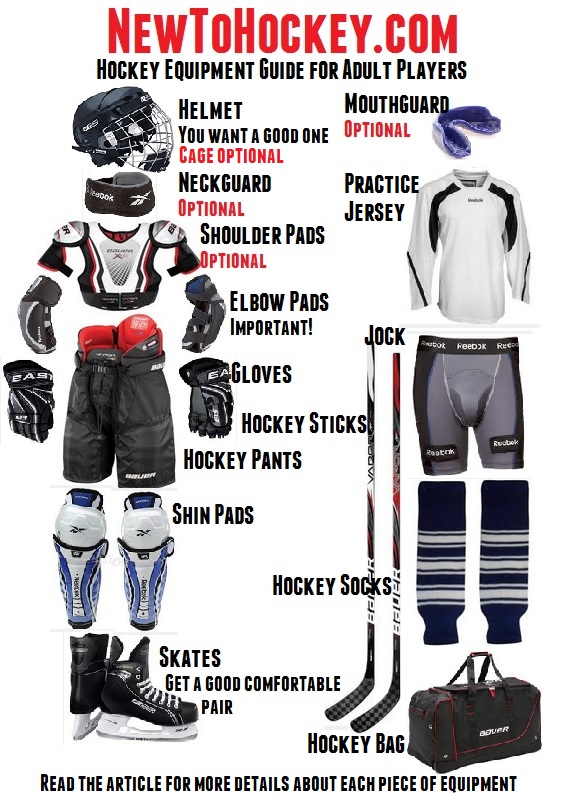
History Of Hockey Attire
Hockey attire has evolved significantly over the years. Understanding why hockey players wear shorts requires a look into the history of their gear. From the earliest days of the sport to modern times, the changes in uniforms and equipment have been substantial.
Early Uniforms
In the early days of hockey, players wore minimal protective gear. Uniforms were basic and practical. Early hockey players wore woolen sweaters, simple pants, and basic leather boots. The woolen sweaters kept players warm in cold arenas.
The pants were often long and made of heavy fabric. These pants provided some protection but were not designed for high-speed play. Players also wore basic gloves and caps for minimal hand and head protection. There was no standardization in early uniforms.
Evolution Of Gear
Over time, the need for better protection became evident. The sport’s physical nature necessitated improvements in gear. In the 1930s, padded gloves and shin guards became common. These provided better protection for hands and legs.
By the 1960s, hockey shorts, known as breezers, became standard. Breezers offered greater mobility and protection than long pants. They were padded and allowed for better movement on the ice. Helmets were introduced in the 1970s, enhancing head protection.
Modern hockey gear includes lightweight, padded shorts, helmets, and advanced skates. Today’s uniforms are designed for maximum protection and performance. They allow players to move quickly and safely on the ice.
| Era | Uniform Components |
|---|---|
| Early 1900s | Woolen sweaters, heavy pants, basic gloves |
| 1930s | Padded gloves, shin guards |
| 1960s | Padded shorts (breezers), helmets |
| Modern | Lightweight, padded shorts, advanced skates |
These advancements in hockey attire have made the sport safer and more enjoyable. The evolution of gear reflects the sport’s dynamic nature and commitment to player safety.
Purpose Of Hockey Shorts
Hockey players wear shorts for several important reasons. These specially designed shorts are essential for their performance and safety on the ice.
Mobility And Flexibility
Hockey requires quick movements and rapid direction changes. Hockey shorts are designed to provide maximum mobility. They are made from lightweight materials which help players move freely. The shorts also include stretch panels for added flexibility. This ensures players can skate, stop, and turn with ease. The shorts do not restrict their leg movements, allowing for better performance on the ice.
Temperature Regulation
The ice rink environment is cold, but players can get hot from intense activity. Hockey shorts help regulate temperature. They are made with breathable fabrics. This allows sweat to evaporate and keeps players cool. Some shorts even include ventilation panels. These help to keep air circulating around the body. Proper temperature regulation helps players maintain their stamina and comfort during games.
Material And Design
Hockey players wear shorts for their unique material and design. These shorts provide comfort, protection, and flexibility. They are crafted to meet the demands of the game.
Durable Fabrics
The shorts are made from durable fabrics. These fabrics withstand the rough nature of hockey. Common materials include nylon and polyester. These materials resist wear and tear. They are also lightweight and breathable. This keeps players cool and comfortable.
Some shorts use a combination of fabrics. This mix offers the best of both worlds. Players get durability and flexibility. The right fabric choice is crucial for performance.
Protective Features
Hockey shorts have built-in protective features. These features shield players from injuries. Padding is placed in key areas. This includes the thighs, hips, and tailbone. The padding absorbs impact during falls and collisions.
Some shorts have additional protective layers. These layers enhance safety without adding bulk. Players can move freely while staying protected.
Protection is not only about padding. Some shorts have reinforced stitching. This adds extra durability. It ensures the shorts last longer, even with heavy use.
| Feature | Benefit |
|---|---|
| Durable Fabrics | Resists wear and tear, lightweight |
| Padding | Protects from impacts |
| Reinforced Stitching | Enhances durability |
Hockey shorts are essential for player safety. Their design and materials make them perfect for the sport. Players can focus on the game, knowing they are well-protected.
Comparing Hockey Gear
Hockey players wear specific gear to stay safe and perform well. Gear varies between ice hockey and field hockey. One big difference is the choice between shorts and pants.
Ice Hockey Vs. Field Hockey
Ice hockey players compete on icy surfaces. They wear a lot of protective gear. This includes helmets, gloves, and pads. Field hockey players play on grass or turf. They need less protection because there’s no body-checking.
| Gear | Ice Hockey | Field Hockey |
|---|---|---|
| Surface | Ice | Grass or Turf |
| Helmets | Mandatory | Sometimes |
| Pads | Heavy | Light |
| Body-Checking | Allowed | Not Allowed |
Shorts Vs. Pants
Hockey players choose shorts or pants based on their needs. Ice hockey players wear padded pants. These pants protect them from falls and hits. They also keep players warm on the ice.
Field hockey players wear shorts. They don’t need heavy padding. They need to move quickly and stay cool. Shorts help them run and maneuver with ease.
- Pants: Offer more protection
- Shorts: Allow for better mobility
In both sports, the right gear helps players stay safe and perform their best. Whether it’s padded pants or lightweight shorts, each choice has its own benefits.
Impact On Performance
Hockey players wear shorts for many reasons. One key reason is the impact on performance. Shorts can enhance speed, agility, comfort, and fit. Let’s explore these factors in detail.
Speed And Agility
Speed is crucial in hockey. The right shorts can boost a player’s speed. Lightweight materials reduce drag. This allows players to move faster on the ice. Agility is another important factor. Shorts provide a wide range of motion. This is essential for quick turns and sudden stops.
| Factor | Benefit |
|---|---|
| Lightweight Material | Reduces drag |
| Range of Motion | Allows quick movements |
Comfort And Fit
Comfort is key to a player’s performance. Hockey shorts are designed for comfort. They often come with padding. This helps protect players from injuries. Fit is also important. Well-fitted shorts stay in place. This helps players focus on the game.
- Padded shorts offer protection.
- Well-fitted shorts stay in place.
- Comfortable shorts enhance focus.
Player Preferences
Hockey players have specific preferences for their gear. One key choice is their shorts. These preferences vary between professionals and amateurs. Understanding these choices can help you appreciate why shorts are essential in hockey.
Professional Insights
Professional hockey players wear shorts for mobility and protection. They need to move quickly and freely on the ice. Shorts allow for better leg movement compared to pants. This helps in swift skating and quick changes in direction.
Protection is also crucial. Hockey shorts are padded. This padding helps absorb impacts during collisions and falls. Professional players face intense physical play. Proper padding reduces injury risks. Here’s a quick comparison:
| Feature | Shorts | Pants |
|---|---|---|
| Mobility | High | Medium |
| Protection | High | Medium |
| Weight | Light | Heavy |
Amateur Choices
Amateur players often select shorts for similar reasons. Comfort is a top factor. Shorts offer better ventilation. This helps keep players cool during games. They are also easier to put on and take off.
For young players, shorts are less restrictive. They help kids learn skating and stickhandling without bulky gear. Safety is still a concern. Most amateur shorts have adequate padding for protection.
Here’s why amateurs prefer shorts:
- Better mobility for learning
- Increased comfort and ventilation
- Easy to wear and adjust
- Adequate protection for beginners
Both professional and amateur players benefit from wearing shorts. Their preferences highlight the importance of mobility, comfort, and protection in hockey.
Safety Considerations
Hockey is a fast-paced and physical sport. Safety is a top priority. Hockey players wear shorts for specific safety reasons. These shorts, also called hockey pants, provide crucial protection.
Injury Prevention
Hockey can be dangerous without proper gear. Players often collide and fall. Hockey shorts help prevent injuries to vital areas. They protect the hips, thighs, and tailbone. These areas are prone to bruises and fractures.
Even minor injuries can sideline players. The padding in hockey shorts absorbs impacts. This reduces the risk of serious injuries.
Protective Equipment
Hockey shorts are part of a full gear set. This set includes helmets, gloves, and shin guards. Each piece has a specific role. Shorts provide protection to the lower body.
The shorts have built-in padding. This padding covers the hips, thighs, and tailbone. The materials used are lightweight but strong. They do not hinder a player’s movement.
Hockey shorts also feature adjustable straps. These straps ensure a snug fit. A proper fit is crucial for safety. Loose gear can shift during play. This can expose players to injuries.
Here is a simple breakdown of the key protective features:
| Feature | Purpose |
|---|---|
| Padding | Absorbs impacts |
| Adjustable Straps | Ensures a secure fit |
| Lightweight Material | Allows easy movement |
Players must wear all protective gear. This ensures maximum safety. Hockey shorts play a key role in this gear set.
Cultural Influence
Hockey players wearing shorts is not just about comfort or mobility. It is deeply rooted in the cultural influence of the sport. Understanding this aspect can give us insights into why this tradition persists.
Tradition And Legacy
Hockey has a rich history that spans over a century. The sport’s early players wore shorts, setting a trend that has continued. This tradition is passed down through generations, creating a sense of legacy.
Traditional uniforms included shorts for ease of movement. Shorts became an integral part of the hockey identity. Players today wear them as a nod to the past, honoring the sport’s history.
Regional Variations
While the tradition of wearing shorts is widespread, there are regional differences. In colder regions, players might wear additional gear under their shorts. This helps them stay warm while maintaining the traditional look.
In warmer climates, shorts are worn with minimal additional layers. This ensures comfort without compromising on the established norms. Despite these variations, the core element of wearing shorts remains consistent.
| Region | Additional Gear |
|---|---|
| Cold Regions | Thermal Layers |
| Warm Regions | Minimal Layers |
Understanding the cultural influence behind hockey players wearing shorts adds depth to our appreciation of the sport. It is not just about the game but also about honoring a long-standing tradition.
Technological Advances
Hockey gear has come a long way. The design of hockey shorts is no exception. Technological advances have transformed the materials and protection.
Innovative Materials
Early hockey shorts were bulky. They were often uncomfortable and heavy. Modern shorts use lightweight and breathable materials. These materials help players move easily.
Here are some key materials used in modern hockey shorts:
- Polyester: Lightweight and durable.
- Nylon: Offers flexibility and strength.
- Spandex: Provides stretchability for ease of movement.
These materials also wick away moisture. They keep players dry and comfortable. This is crucial during intense games.
Enhanced Protection
Modern hockey shorts offer advanced protection. They use cutting-edge technology to safeguard players. Key protective features include:
- Padding: High-density foam absorbs impact.
- Plastic Inserts: Add extra protection to vital areas.
- Reinforced Stitching: Ensures durability.
These features protect players from injuries. They make the game safer and more enjoyable. Here’s a comparison of traditional vs. modern protection:
| Feature | Traditional Shorts | Modern Shorts |
|---|---|---|
| Material | Heavy and bulky | Lightweight and breathable |
| Padding | Basic foam | High-density foam |
| Stitching | Standard | Reinforced |
Technological advances have revolutionized hockey shorts. Players now enjoy better mobility and protection. This enhances their performance on the ice.
Climate And Environment
Hockey players wear shorts for various reasons. Climate and environment play a significant role. The unique conditions of hockey games influence their choice of attire.
Indoor Vs. Outdoor Play
Indoor hockey rinks are temperature-controlled. Players need to stay cool and flexible. Shorts allow better movement and reduce overheating.
Outdoor games differ. Weather conditions can vary greatly. Shorts help players adapt to changing temperatures. They offer comfort and flexibility.
Seasonal Adjustments
Hockey is played year-round. Seasons affect players’ clothing choices. In warmer months, shorts keep players cool. In colder months, they layer up. Shorts remain a key part of their attire.
Players often use thermal undergarments. These provide warmth without restricting movement. The combination of shorts and thermals is effective.
| Season | Clothing Adjustments |
|---|---|
| Summer | Lightweight shorts and breathable fabrics |
| Winter | Thermal layers under shorts |
Players prioritize comfort and performance. Shorts provide freedom of movement. They help players perform their best in any climate.
Training And Practice
Hockey players wear shorts during training and practice sessions. These shorts provide comfort and flexibility. Let’s explore why these shorts are essential in training routines.
Off-ice Workouts
Off-ice workouts are crucial for hockey players. These workouts include strength training, cardio exercises, and flexibility drills.
- Strength Training: Shorts allow easy movement during squats and lunges.
- Cardio Exercises: Running and biking require breathable clothing.
- Flexibility Drills: Stretching is easier in flexible shorts.
On-ice Drills
On-ice drills help players improve their skating, shooting, and passing skills. Shorts play an important role here as well.
- Skating: Shorts allow free movement of legs.
- Shooting: Players need to bend and twist easily.
- Passing: Quick movements are easier with shorts.
In summary, shorts are vital for training and practice. They provide comfort, flexibility, and ease of movement.
Youth And Junior Hockey
Youth and junior hockey players often wear shorts instead of full-length pants. This choice is crucial for their development and comfort. Below, we explore the reasons behind this gear preference.
Appropriate Gear
For youth and junior hockey, wearing the right gear is essential. Hockey shorts play a vital role in ensuring flexibility and ease of movement. They are designed to provide protection without restricting mobility.
The shorts are padded in key areas like hips and thighs. This padding helps absorb impacts during falls or collisions. Lightweight materials used in shorts help young players stay agile on the ice.
A good fit is crucial for the shorts to function properly. They should be snug but not too tight. The adjustable waistbands on youth hockey shorts allow for a customized fit.
| Feature | Benefit |
|---|---|
| Padded Areas | Protection from impacts |
| Lightweight Materials | Enhanced mobility |
| Adjustable Waistbands | Custom fit |
Developmental Benefits
Wearing shorts helps young players develop better skating skills. The shorts allow for a full range of motion, which is crucial for learning proper techniques.
The comfort provided by shorts encourages longer practice sessions. Players can focus on skill development without feeling weighed down by heavy gear. This leads to improved stamina and performance.
Confidence is another important factor. When young players feel protected yet comfortable, they are more likely to take risks and try new moves on the ice. This boosts their confidence and accelerates learning.
- Better skating skills
- Longer practice sessions
- Increased confidence
Fan Perceptions
Fan perceptions about hockey gear often vary. Many wonder why hockey players wear shorts. Let’s explore what fans think about this unique aspect of the sport.
Popular Opinions
Many fans have strong opinions on hockey shorts. Some believe they offer better movement. Others think they help keep players cool during intense games. Below are some popular reasons fans give:
- Increased Mobility: Shorts allow for quicker skating and better agility.
- Comfort: Shorts are more comfortable than long pants.
- Tradition: Hockey has a long history of players wearing shorts.
Media Influence
Media plays a significant role in shaping fan perceptions. Television broadcasts often highlight the benefits of hockey shorts. Interviews with players usually show their preference for shorts:
| Media Outlet | Key Point |
|---|---|
| Sports Networks | Showcase player agility in shorts. |
| Player Interviews | Players discuss comfort and tradition. |
| Social Media | Fans debate the pros and cons of shorts. |
These media influences help shape the narrative around hockey gear. Fans often trust what they see and hear from reputable sources.
Future Trends
The world of hockey gear is always evolving. As technology advances, so do the materials and designs used in hockey apparel. This means exciting changes are on the horizon for hockey shorts, promising better performance and safety for players.
Upcoming Innovations
Upcoming innovations in hockey shorts focus on comfort and protection. New materials are being developed to offer better breathability. These materials help players stay cool during intense games.
- Smart Fabrics: Fabrics that adjust to body temperature.
- Enhanced Padding: Padding that offers more protection without added bulk.
- Moisture-Wicking Technology: Keeps sweat away from the skin.
Smart fabrics can change based on the player’s body heat. This ensures players stay comfortable throughout the game. Enhanced padding is lighter but offers better protection. Moisture-wicking technology keeps players dry, even during the most intense moments.
Potential Changes
Potential changes in hockey shorts could revolutionize the game. Designers are considering making shorts more customizable. This could allow players to adjust the fit and padding based on their needs.
- Custom Fit Options: Adjustable waistbands and padding.
- Eco-Friendly Materials: Sustainable fabrics that reduce the carbon footprint.
- Integrated Sensors: Track player performance and health metrics.
Custom fit options will make shorts more comfortable for every player. Eco-friendly materials are gaining popularity in all sports gear. Integrated sensors could provide valuable data on player performance. These changes could make hockey safer and more enjoyable.

Frequently Asked Questions
What Are The Shorts Hockey Players Wear Called?
Hockey players wear “hockey pants” or “breezers. ” These provide protection and flexibility during the game.
Do Hockey Players Wear Shorts Or Pants?
Hockey players wear padded shorts, known as hockey pants, for protection. These pants cover the thighs and hips.
What Do Girls Wear Under Hockey Equipment?
Girls typically wear sports bras, compression shorts, and moisture-wicking base layers under hockey equipment. These provide support and comfort.
Why Do Hockey Players Wear Cups?
Hockey players wear cups to protect their groin area from injuries caused by pucks, sticks, and collisions. This essential gear ensures safety.
Why Do Hockey Players Wear Shorts?
Hockey players wear shorts for better mobility and comfort. Shorts allow freedom of movement during the game.
Conclusion
Hockey players wear shorts for mobility and protection. The design ensures flexibility and safety during intense games. This gear balances comfort and function, allowing players to perform at their best. Understanding the reasons behind their attire helps appreciate the sport’s unique requirements.
Enjoy watching hockey with newfound knowledge!